Simple Monthly Budget Log Book: A Practical Tool for Financial Control
Managing your finances can be overwhelming, especially if you're new to budgeting. The Simple Monthly Budget Log Book is a valuable resource that helps you track your income, expenses, and savings in an organized way. Whether you're a busy professional, a small business owner, or someone just starting out, this log book offers a straightforward approach to financial planning. With its clean layout and easy-to-use format, it's designed to fit into your daily routine without adding unnecessary complexity.
Why People Choose the Simple Monthly Budget Log Book
The Simple Monthly Budget Log Book appeals to a wide range of users because it’s both functional and accessible. It’s ideal for those who want to take control of their money without the need for complicated software or apps. Many people appreciate the tactile experience of writing down their expenses, which can help reinforce financial discipline. Additionally, the log book’s 100-page design provides ample space for tracking monthly budgets over time, making it a long-term solution for financial management.
For creators, entrepreneurs, and freelancers, the log book serves as a reliable tool to monitor cash flow and project expenses. Educators and students may find it useful for teaching and learning about personal finance. Its portability also makes it a great option for those who prefer a physical planner over digital alternatives.
Common Mistakes When Using a Budget Log Book
While the Simple Monthly Budget Log Book is a powerful tool, some users make mistakes that can reduce its effectiveness. One common error is not updating the log book regularly. If you only fill it out once a month, you might miss opportunities to adjust your spending habits in real time. Consistent tracking—whether daily or weekly—is essential for accurate financial insights.
Another mistake is failing to categorize expenses properly. Without clear categories like groceries, utilities, and entertainment, it’s difficult to see where your money is going. This oversight can lead to poor budgeting decisions and unexpected shortfalls. Similarly, some users underestimate their expenses, which can result in overspending and frustration.
How These Mistakes Affect Results
Not maintaining regular updates or proper categorization can lead to inaccurate budgeting, making it harder to achieve financial goals. For example, if you don’t track your monthly subscriptions, you might end up paying for services you no longer use. This can negatively impact your overall financial health and create stress when unexpected bills arise.
Additionally, ignoring small expenses can add up over time. A $5 coffee every day might seem insignificant, but it totals nearly $1,800 a year. Without tracking these minor costs, you may find yourself short on funds for more important priorities.
Practical Tips to Avoid Common Errors
To get the most out of your Simple Monthly Budget Log Book, start by setting a consistent schedule for updating it. Whether it’s after each purchase or at the end of each week, regular entries will give you a clearer picture of your spending habits. You can also use color-coding or symbols to differentiate between expense types, making it easier to review your data at a glance.
Another effective strategy is to set realistic budget limits for each category. Use past spending patterns as a guide, and adjust them as needed. For instance, if you notice that you consistently exceed your grocery budget, consider meal planning or shopping with a list to stay within your limit. These small changes can have a big impact over time.
What to Check Before Using the Log Book
Before diving into your Simple Monthly Budget Log Book, take a moment to assess your financial situation. Understand your monthly income, fixed expenses (like rent or car payments), and variable costs (such as dining out or entertainment). This foundation will help you create a more accurate and effective budget.
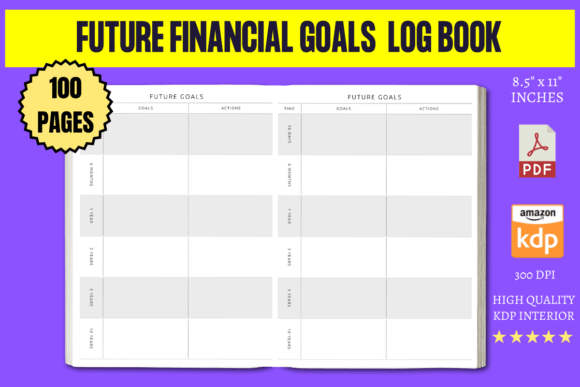
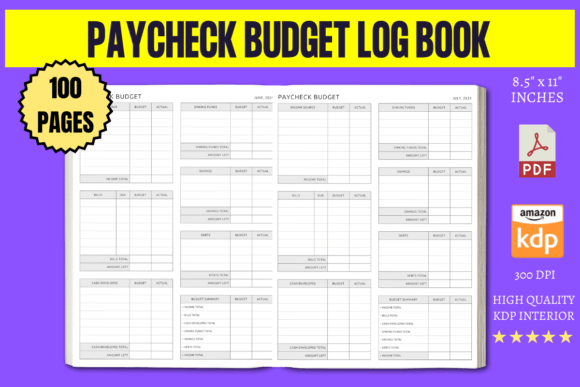
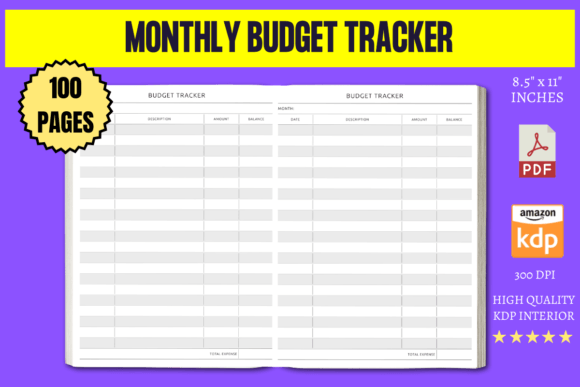
Also, consider the format and design of the log book. The Simple Monthly Budget Log Book comes in a standard 8.5 x 11-inch size with 100 pages, making it easy to carry and store. If you’re planning to use it for Amazon KDP or other platforms, ensure that the file format (PDF) meets your publishing requirements. High-resolution files are essential for professional-quality prints, so double-check the quality before finalizing your design.
Enhancing Your Experience with the Right Tools
While the Simple Monthly Budget Log Book is a standalone tool, combining it with other resources can enhance your financial management. For example, using a spreadsheet or budgeting app alongside the log book can provide additional insights and automation. However, avoid overcomplicating your system—simplicity is key to long-term success.
Some users also benefit from setting specific financial goals, such as saving for a vacation or paying off debt. By aligning your log book entries with these objectives, you can stay motivated and measure your progress more effectively.
Conclusion: Make the Most of Your Budget Log Book
The Simple Monthly Budget Log Book is a practical and customizable tool that can help you take control of your finances. By avoiding common pitfalls and adopting smart habits, you can maximize its value and achieve greater financial clarity. Whether you're looking to save more, spend wisely, or plan for the future, this log book is a valuable asset in your journey toward financial independence.
Explore our store for more free and affordable designs, and find the perfect match for your needs. With the right approach, the Simple Monthly Budget Log Book can become an essential part of your financial toolkit.